
Learn How to Install Tile Flooring From Seattle’s Pros
Tile installation is one of the most impactful upgrades you can make to your Seattle home. With the proper preparation and knowledge of how to install tile flooring from Tile for Less, you can achieve beautiful, long-lasting results, whether you DIY or hire a professional. This guide covers essential tile installation tips, common mistakes to avoid, and the advantages of professional tile installation in Seattle, WA.
Start With a Plan
Before you touch any tile, take a step back and plan your approach. Measure your space and figure out your layout. Are you going for a straight grid, diagonal, or something more creative? Snapping a chalk line down the center of the room helps keep tiles straight and prevents awkward cuts along the edges. Planning saves headaches later. It might seem like extra work, but it’s one of the most important tile installation tips I can give you.
Prep Your Surface
Surface preparation is one of the most important steps in tile installation. Your floor or wall needs to be clean, dry, and level. Even small bumps or leftover adhesive can make your tiles pop or crack down the line.
- Pull up any old flooring or trim.
- Patch cracks and smooth uneven spots.
- Make sure the surface feels solid underfoot.
Tools & Materials You’ll Need
You’ll be surprised how much easier things go when you have everything on hand. Having everything ready keeps you from stopping mid-project to hunt down the proper tools. For most projects, you’ll need:
- Tile (ceramic, porcelain, stone, etc.)
- Thinset mortar
- Notched trowel
- Tile spacers
- Tile cutter or wet saw
- Grout & grout float
- Tape measure & level
- Buckets, sponge, gloves
How to Install Tile Flooring
Installing tile may sound intimidating at first, but breaking it down into smaller steps makes it much more manageable. Here’s a breakdown of the process:
- Step 1: Spread Thinset Mortar – Mix thinset following the manufacturer’s instructions and spread it with a notched trowel. The ridges help tiles bond securely to the surface.
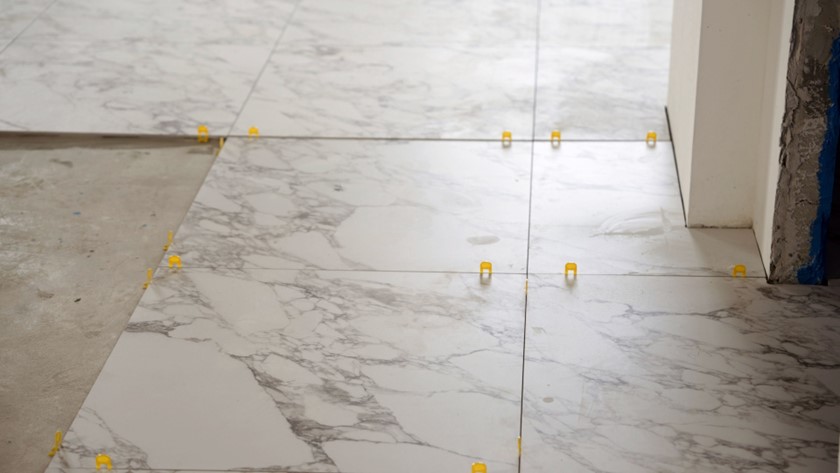
- Step 2: Lay the Tiles – Press tiles into the mortar along your layout lines, using spacers to maintain even grout lines. Check frequently with a level to ensure tiles sit flat.
- Step 3: Cut Tiles to Fit – Some tiles need trimming to fit against walls, cabinets, or corners. Use a wet saw or tile cutter for precise cuts. Always measure twice before cutting.
- Step 4: Grout the Tiles – After the mortar sets (usually 24 hours), remove spacers and apply grout. Use a grout float to press grout into joints, then clean excess with a damp sponge. Choose between sanded and unsanded grout, depending on the width of your grout lines.
- Step 5: Seal Tiles and Grout – Sealing helps protect your tiles and grout from moisture, stains, and wear, especially in kitchens and bathrooms.
Top Tile Installation Tips
Success comes from good habits. Here are practical tile installation tips:
- Dry‑fit your layout first – laying tiles without adhesive first helps you visualize spacing and avoid awkward cuts.
- Add 10–15% extra tile – to account for cuts, breakage, or future repairs.
- Keep spacers consistent – uniform grout lines keep your installation looking professional and balanced.
- Work in small sections – spreading too much mortar at once can lead to premature drying and poor adhesion.
Tile Installation Mistakes to Avoid
Common tile installation mistakes can be costly:
- Skipping surface preparation, leading to loose or cracked tiles.
- Using the wrong amount of thinset or incorrect trowel technique.
- Failing to dry-fit and plan layout, causing off-center tiles.
- Ignoring expansion gaps results in buckling or cracking.
- Choosing the incorrect grout type affects durability and appearance.
Caring for Your Tile After Installation
Once your tile is installed, taking a little time to care for it can keep it looking great for years. Start by letting the grout fully cure before cleaning. This usually takes about a week. After that, a simple routine of sweeping or vacuuming and damp mopping with a gentle cleaner will keep dirt and grime from building up.
For grout lines, consider a grout sealer to protect against stains, especially in kitchens, bathrooms, and entryways. Spills happen, but a quick cleanup prevents permanent stains or discoloration. If a tile ever chips or cracks, it’s easier to replace a single piece than to redo an entire floor, so it’s smart to keep some extra tiles on hand.
Professional Tile Installation in Seattle
Working with experts saves time and reduces the risk of errors. Professional tile installation may be especially valuable for bathrooms, kitchens, and high-traffic areas. Professionals provide:
- Expertise with large-format or specialty tiles
- Advanced waterproofing in wet areas
- Proper handling of underfloor heating systems
- Compliance with local building codes
Upgrade Your Floors Today!
Don’t wait to upgrade your floors. Tile for Less in Seattle makes it easy to learn how to install tile flooring with high-quality materials and expert guidance. Contact us today and start your tile project with confidence!